
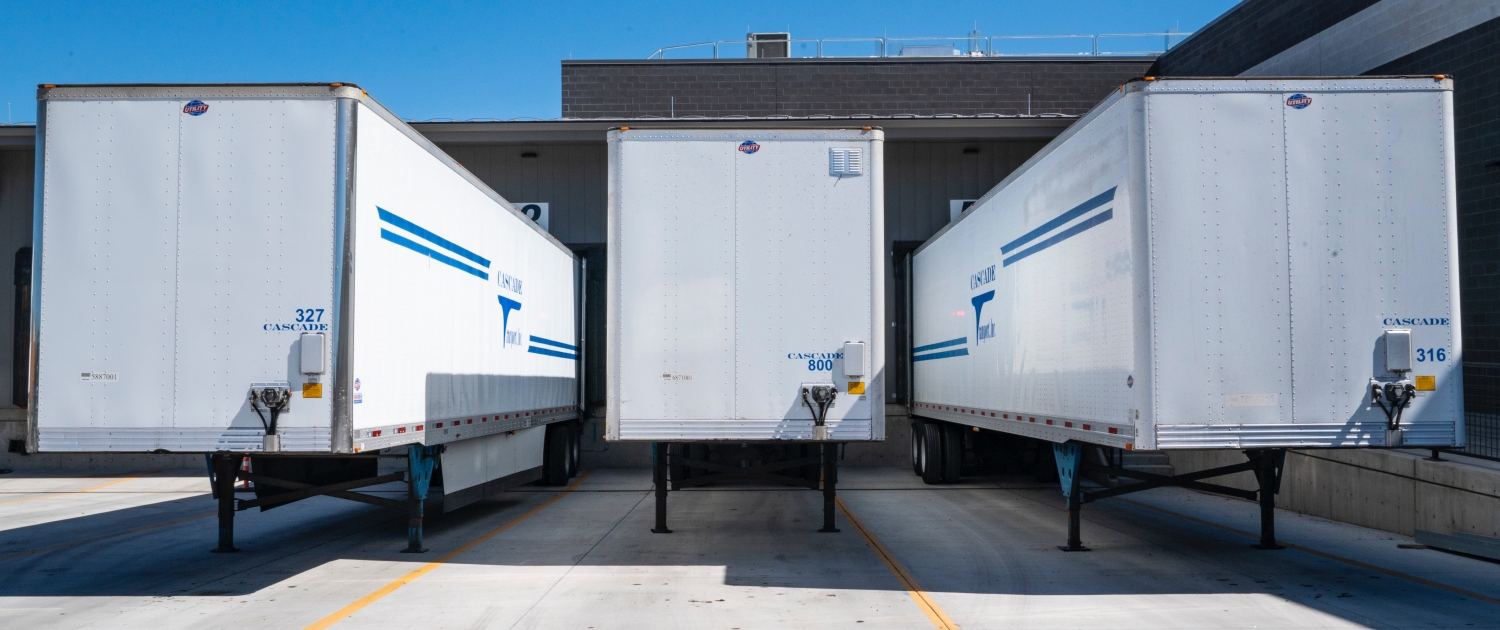
The philosophy in the trucking industry for regional and OTR was always “one driver, one truck.” As with many things in the industry, recent regulatory and economic changes have made that norm less practical for many companies.
Equipment efficiencies and financial incentives are pushing some companies to implement slip seating. There is, understandably, some driver resistance to this new way of doing things. This is why it’s important to understand the pros and cons so you can evaluate whether it’s right for your company.
What Is Slip Seating?
Slip seating is when multiple drivers share a truck. Drivers don’t have a single cab that they are solely responsible for or that is reserved for their use.
In the trucking industry, slip seating has not historically been the norm, especially for regional and OTR drivers. While there are good financial reasons for employers to use it, slip seating often comes at the expense of employee satisfaction.
Pros
Better Equipment Utilization
As a recruiter or fleet manager, you have a responsibility for the overall financial health of your company. From that perspective, slip seating often makes good economic sense.
First and foremost, it allows for greater equipment utilization because you can drastically reduce the amount of time that a truck will sit empty in the yard while its designated driver is not on shift. Slip seating allows a company to make more runs in the same amount of time without buying more equipment.
Tax Incentives
In addition to time efficiencies, there are tax incentives to using slip seating as well. You can take advantage of these incentives if you account for the depreciation of trucks as an asset. According to Duff Swain, president of the consulting firm Trincon Group LLC in a FleetOwner article, trucks can be depreciated over a 3 year period.
The best way to maximize profits while minimizing expenses and taxes is to drive at least 700,000 miles per truck in three years. Realistically, 700,000 miles over three years is not feasible for a single driver. So, to reach optimal mileage, slip seating is a must.
Cons
Driver Dissatisfaction
Perhaps the biggest downside is that many drivers don’t like it. It might be easy to dismiss driver concerns under the pretense that they will soon adapt to new policies. However, think twice before making your decision.
Driver complaints are legitimate and could affect not only company morale and reputation, but also, the company’s bottom line. Driver happiness is a huge driver of retention.
Why are drivers so against it? Drivers who are a part of a company that utilizes slip seating cite messy cabs, the inefficient use of time required to move belongings to and from different cabs, and less well-maintained equipment as their top concerns. In these cases, since no driver views the truck as their own, they may be less likely to treat it with the care and cleanliness they would if a truck was their own.
Maintenance & Health
In addition to driver concerns, employers should consider that slip seating increases the number of miles driven on each truck. As a result, routine maintenance or repairs may come up more frequently.
Health concerns should also be a top consideration, especially in light of Covid-19. Multiple drivers using the same enclosed space in rapid succession means that disinfecting and other health safety protocols should be a high priority before each driver change.
The Bottom Line
There are clear benefits and drawbacks to implementing slip seating in your fleet. Ultimately, it’s a company decision. Also keep in mind that this decision doesn’t have to be all or nothing. Some companies may find it advantageous to use slip seating for some trucks, but not for their entire fleet.
Just keep in mind that it’s very likely that if you implement slip seating, any increased financial gains will be offset by increased driver dissatisfaction. If you still find it viable to go with slip seating, the next question you should ask is “Where can I make that satisfaction up?”
Providing monetary bonuses, implementing recognition/incentive programs, and providing career-building opportunities are just a few ways that companies who use slip seating are still able to have high driver satisfaction. Ultimately, most people are willing to put up with working arrangements that aren’t ideal if they like their job and the people they work for.
 Comprehensive CDL Recruitment Solutions
Ready to start recruiting the right drivers? Our solutions experts are happy to answer any questions and show you how Drive My Way uniquely approaches CDL driver recruitment.





 Many CDL drivers are looking to advance their careers by
  Becoming a lease purchase company requires a carrier to follow a set of
  As mentioned earlier, becoming a lease purchase carrier a great way to differentiate yourself from the competition. And unfortunately, it’s also an opportunity for carriers to put out deceptive marketing messages—ones that might make it seem like it’s an easy way for a driver to own their own truck with little work on their end.
 Like with anything, there is a level of risk associated with becoming a lease purchase trucking company. There’s always the hope that everything goes right, but sometimes they won’t.
 Knowing what your potential drivers are looking for, helps you develop the


 PWD Partners with Drive My Way for Success
 With thousands of carriers advertising jobs for truck drivers right now, how do you make sure yours resonates? If you’re recruiting for a smaller carrier, this can be even harder, since you may still be developing brand recognition. That’s not to say that creating a great job advertisement is an impossible task. It can seem daunting, but there are a few simple tips you can use to make sure your ads are getting noticed by the drivers you’re looking for.



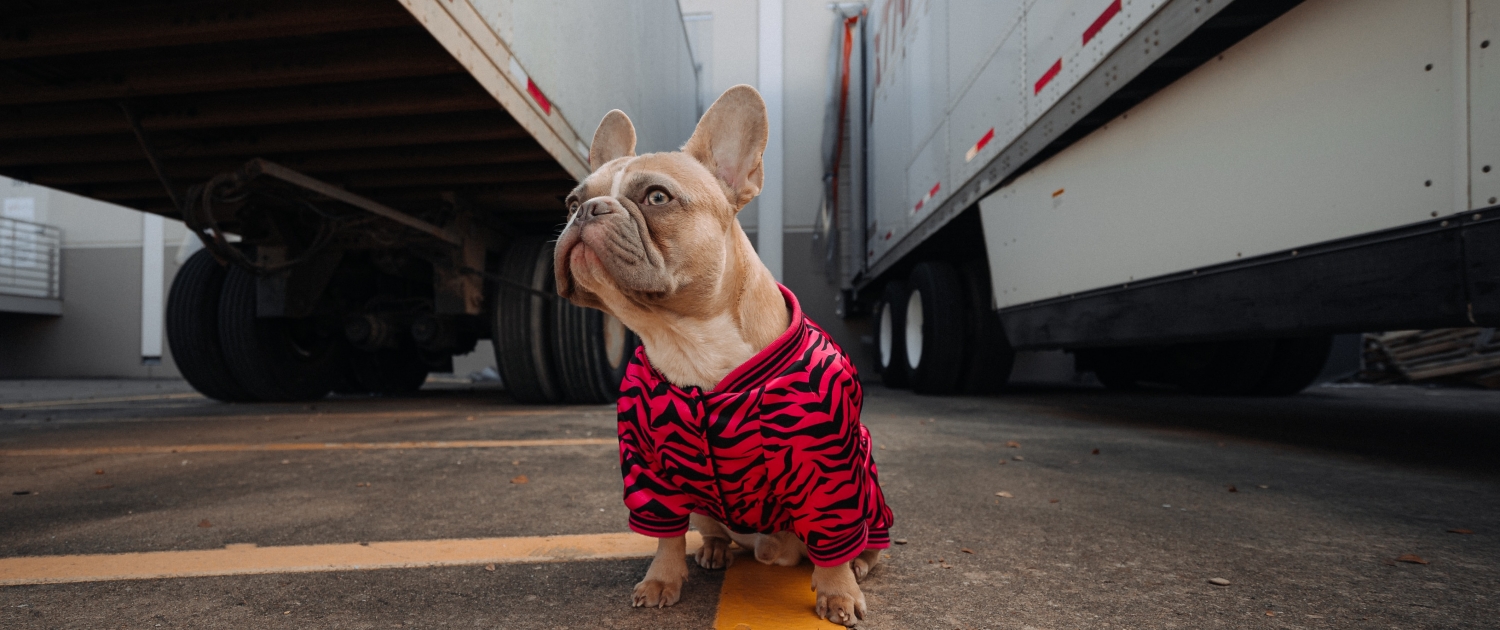 Being a pet friendly trucking company is more than just a perk for some drivers. Offering a pet rider program strengthens company culture, retention, and recruiting. Ultimately, pet programs are about driver satisfaction and happiness and should be considered part of an overarching retention strategy. With strong marketing that displays a positive company culture, pet programs can also bolster driver recruitment efforts.
  Offering a pet program is a great way to boost driver happiness and


 Early and often is the best rule of thumb for sharing a safety incentive program with drivers. Set clear expectations at the start so that drivers know how to succeed. Based on your metrics for driver incentives, tell drivers exactly what they need to do. The results should be measurable, so drivers feel it’s a fair and attainable goal. Then, share the program in clear, simple language so there’s no confusion or feeling of mystery!
  According to Drive My Way’s
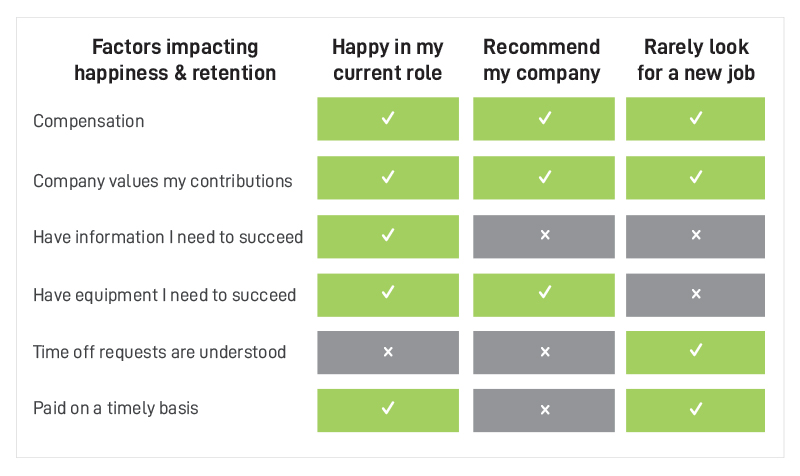

 Unfortunately,