
best trucking companies to work for

Truck drivers are constantly bombarded with information by companies about why they are great to work for. They also hear about companies through their reputation with other drivers. Both seasoned drivers and rookies want to hear about the best truck driving companies to work for. The top companies have some of the best salaries and compensation, benefits, and other perks. But more importantly, they also prioritize home time, have a strong company culture, and are known for respecting their drivers.

Ultimately, the best truck driving companies to work for are the ones that suit the individual needs of drivers, including that of region, type of runs and hauls. Nevertheless, there are some companies that consistently rank high, regardless of preferences. Here are 6 of the best truck driving companies to work for in 2019, in no particular order.

Walmart Trucking

Walmart has their own private fleet and pay their drivers extremely well. The average full-time driver with Walmart earns about $86,000 per year and works 5.5 days a week. Walmart’s benefits include medical, dental, vision, pharmacy, and life insurance. Drivers also have the opportunity to enroll in a 401(k) plan and a stock purchase plan. Since Walmart is looking to hire the best of the best, drivers need considerable experience before Walmart will consider hiring them. Apart from a great compensation package, the company makes sure drivers are home once a week and get reset hours off the road. They pay for activity, mileage, and training, and drivers won’t have to load and unload freight. Walmart’s private fleet has one of the lowest turnover rates in the country and for good reason.

Old Dominion Freight

Old Dominion has been around for over 85 years is the official freight carrier of Major League Baseball (MLB). They have club partnerships with many of the MLB teams, and serve the West Region, Midwest, Northeast, Southeast, and Gulf Region of the country. Old Dominion consistently gets high ratings from drivers and Glassdoor. According to Glassdoor, the average salary for long-haul drivers is $82,354 per year. Old Dominion offers medical, dental, vision, and life insurance. In addition to a 401(k) plan, drivers have the option to enroll in employee wellness programs and employee assistance programs. The company has been ranked best LTL National Carrier in 2017 (it’s 8th consecutive year) and received the US EPA 2017 SmartWay Excellence Award (it’s 3rd consecutive year). Paid time off includes both vacation days, sick/personal time, and an addition paid “birthday holiday”.

NFI
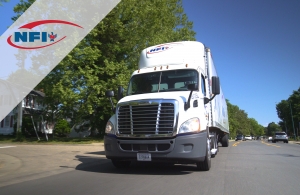
NFI IndustriesNFI is a fully integrated supply chain solutions provider headquartered in Camden, NJ. At NFI, truck drivers benefit from dedicated, local, and regional routes to give a variety of home time options with predictable schedules, consistent weekly pay, and career pathing opportunities. Drivers become part of a team that helps move goods the world relies on every day. NFI values family, integrity, safety, customer, teamwork, and social responsibility.

Ward Trucking

Ward Transport and Logistics cover the mid-Atlantic region and cover through Truckload, Flatbed, Reefer, Expedited, and Containers. They offer Less than Truckload (LTL), Truckload (TL), Logistics (3PL), and Brokerage services throughout the US, Canada, Puerto Rico, and Guam. According to Glassdoor, average salary for delivery drivers is $32,078 per year, but for truck drivers is $50,129. Ward will offer medical insurance for eligible employees and dependents with premiums discounts based on years of service with Ward. Dental and vision plans, along with flexible spending accounts are also available for eligible employees and dependents. Ward also boasts an employee wellness program, employee assistance program with professional counselors, and a personal health partners (PHP) program to assist with medical questions, claims issues, and treatment options. The company will cover paid holidays and up to five weeks of vacation per year.

Melton Trucking

Driver development and support for students are hallmarks of Melton Trucking. The company welcomes recent CDL school graduates and drivers who have not had any over-the-road driving experience. Each new driver takes part in the Driver Development Team to transition into the job and lifestyle. Melton also offers a Pre-Hire and Tuition Reimbursement Program for those who don’t yet have a CDL-A license to transition into a CDL certification program.

Melton offers competitive compensation. There is a $1500 sign-on bonus and referral bonuses ranging from $250-$1000. Melton will offer performance incentive bonuses as well, including for tarp, over-sized loads, layovers, and clean DOT inspections. According to Glassdoor, average salary is $52,595 per year for flatbed drivers, and $53,573 per year for OTR truck drivers. In addition to medical, dental, vision, and short-term disability insurance, Melton offers a 401(k) plan and employee assistance program. The company seems to value driver preferences as there is a pet and rider program and profit-sharing programs. Melton also guarantees that all employees will be at home on Christmas Day in addition to 6 holidays a year, and 1-3 weeks of vacation.

Watkins & Shepard Trucking

Watkins & Shepard (now a subsidiary of Schneider) offers many kinds of trucking including over-the-road (OTR), Team Driving, Regional, Intermodal, Tanker, LTL, and Straight Truck. They mostly transport home furnishings and over-dimensional goods including products from overseas. OTR drivers for Watkins & Shepard, can expect about an average of 600 miles per haul. Regional drivers on the other hand will stay close to home and have more consistent routes and freight. According to Glassdoor, the average salary for truck drivers is $61,956 per year. Benefits include medical, dental, vision, and life insurance, as well as accident insurance. After five years of service to Schneider, driver associates are admitted into the Advantage Club which allows attending sports events like NFL games or NASCAR races. The company prioritizes health and safety, boasting a CDL defender plan and family legal plan as well as performance bonuses based on safety.
ultimate guide to retaining truck drivers

Ultimate Guide to Retaining Truck Drivers

You work so hard to recruit the best truck drivers for your fleet. The trick is retaining them. This guide is packed with tips for retaining your fleet.


Get the Ebook

truck driver stats

“Know your audience” is one of the key mantras of the business world now, regardless of which industry or market one is in. Truck drivers are the lifeblood of the transportation industry. They literally connect the industry’s different players together through the mobile nature of their workers.

Knowing more about the average truck driver and their work and lifestyle can help employers recruit and retain workers. It will also help them connect and empathize with drivers on a personal level and foster a more positive work environment. A positive relationship between management and drivers feels good, but also leads to more productivity, motivation, and loyalty from drivers. Here are 7 truck driver stats every employer needs to know.

1. There are 3.5 million truck drivers in the US.

Even though this is a very large industry and workforce, there is a considerable driver shortage. Out of these, only about 1.6 million are heavy-duty tractor trailer drivers. To complicate matters, driver turnover is significantly high. Treat your drivers well and remember that the labor is not easily replaceable.

Only about 6% of all truck drivers are women (about 200,000), although this number is on the rise.

This remains a largely untapped market for potential drivers and is a contributor to the driver shortage.

 2. The average truck driver age is 49.

Knowing the demographic and social profile of drivers will help you connect with their interests, values, and lifestyle.

The average truck driver is middle-aged and been through plenty of other jobs and work experience. Treat them with respect like mature professionals, not rookies.

The average driver is also most likely married or has been married in the past. They most likely have children. Family time is an important factor that drivers consider when deciding who to work for.

 3. The average driver workweek is 70 hours in an 8-day period.

This should give some idea of how taxing the driver work schedule is. Seventy hours is much higher than the 44-hour workweek of the average American.

Additionally, the average driver works 8 days before taking a day off. This means an average of eight days without seeing family, unless there are special benefits with companies offer.

Providing a more appealing working schedule package will help differentiate your company from the rest of the crowd.

4. The average number of miles logged by a driver in a single year is 100,000 miles.

This is another staggering example of truck driver stats that you need to know. Miles logged paints a picture of how much time a driver spends on the road in just one year. Being behind the wheel for such a long time has implications for driver lifestyle and health.

Investing in cabin amenities for drivers will go a long way in appealing to their needs in the truck itself.

While not everything can be done behind the wheel, employers can make sure drivers are comfortable with the latest amenities such as ergonomic seating and satellite radio.

5. The average yearly earnings by a driver is $41,000.

This isn’t a very significant number for the tremendous amount of labor put in by truck drivers. There are constant pressures on employers to cut operating costs in the different aspects of the business. Too often, the hit is taken on labor itself. By creating efficiencies in other areas of the business, or cutting costs in other ways, employers can attempt to raise the salary offering for drivers.

Offering better compensation for drivers will significantly attract them to your company more than the competition.

Due to the driver shortage, drivers will have no hesitation going to another company for work if they feel like they are not being compensated as well as they deserve.

6. The projected employment growth for tractor-trailer drivers from 2016-2026 is 6%.

The truck driver stats on job outlook over the next 10 years is comparable to most other occupations. However, it remains to be seen if this will cover the increase in the demand for goods transported over the roads.

It is likely that the driver shortage will remain an industry factor for a considerable period of time.

Basically, the growth in drivers may not be higher than the growth in the number of jobs, so make sure you’re doing all you can to attract and retain drivers.

7. The number of nights away from home for the average driver is 240 nights.

That’s almost 2/3 of the year away from home. Considering the age and demographic profile of truck drivers, most of them likely have a family they’d like to spend time with.

Employers can’t change the intrinsic nature of the job, which is that drivers will be on the road and away from home. They can however, offer benefits packages which address the drivers specific home life and schedule needs.

Many companies now offer extended time-off, flexible work schedules, or even offer to have couples travel on the road together. Getting to know your driver’s schedule needs will help you craft a package tailored to their needs and retain them for longer.

driver happiness and retention survey

FREE SURVEY REPORT

Driver Happiness & Retention Survey

Are drivers happy at work? What makes them happy? Drive My Way surveyed over 400 CDL truck drivers nationwide to discover what makes them happy in their careers and life.

Get the Results

retain women truck drivers

The amount of organizations across the nation that are striving to attract and retain women truck drivers will only continue to increase. However, in order to achieve this, employers must make a few changes to how they are approaching recruiting women truckers. Implement these 4 ideas to attract and retain women truck drivers.

1. Offer Flexible Work Options

Employers are able to get their drivers home more often by offering more local opportunities or implementing software that enables smart route scheduling. This is especially attractive to women drivers who are seeking a position that offers more work-life balance.

2. Showcase Women in Recruiting Language and Imagery

In order to hire more women truck drivers, employers need to communicate this mission. When advertising trucking jobs, it’s important to remember to also feature women drivers in imagery. In addition, evolving the voice used for recruiting messaging will allow organizations to appeal to more women as well.

3. Offer Advancement Options for Women

Companies that have women in leadership roles will oftentimes attract more women truck drivers as they see firsthand that women are welcome and capable of advancing in the organization. In addition, organizations that implement programs that specifically focus on engaging and advancing women will see a better response in driver retention than organizations that do not.

4. Ask for Feedback From Women Drivers

Like all drivers, women truckers enjoy sharing their opinion about their level of job satisfaction and future outlook on their position. Therefore, companies that fall victim to not asking for feedback from their women drivers will miss the opportunity to know what’s working well and what needs to be improved.

Avoiding these 4 mistakes will help ensure that employers are evolving their company culture to embrace and support women truckers.

ultimate guide to retaining truck drivers

Ultimate Guide to Retaining Truck Drivers

You work so hard to recruit the best truck drivers for your fleet. The trick is retaining them. This guide is packed with tips for retaining your fleet.
Get the Ebook

bad-dispatchers-contributing-to-truck-driver-shortage

Organizations across the country are rethinking their hiring and retention strategies for truck drivers. They are revamping benefit programs. Companies are making sure their compensation is competitive in the market. Fleets are putting bonus and incentive programs in place.

But what about taking a closer look at the relationship between dispatchers and drivers?

Truckers report that their relationship with their assigned dispatcher greatly contributes to their level of satisfaction with their job and with the trucking company. As an employer, here are some tips to keep in mind when evaluating dispatchers.

Train Dispatchers in the Trucking Industry

Some truck drivers are paired with a dispatcher who lacks industry experience and a clear understanding of the work. If the dispatcher and driver aren’t on the same page, there will be a disconnect, frustration, and oftentimes, quick turnover.

Some companies hire dispatchers who lack industry experience but know how to operate complicated dispatch software—allowing the company to pay them lower wages due to the level of experience.

Instead of throwing them to the wolves, companies need to make sure the dispatcher is fully trained before working with truckers. The dispatcher needs to get to know the drivers, understand the work, and feel confident about the industry before jumping in.

Ensure Dispatchers Are Honest with Their Drivers

Dispatchers with a lack of industry experience sometimes make claims to truck drivers that stretch the truth. Some of these statements could include:

  • I’ll definitely get you home this weekend
  • Your load will be waiting for you when you get back
  • You have plenty of time to make this delivery

It is the company’s responsibility to monitor these conversations in order to quickly correct false statements and ensure a good-standing relationship between the dispatcher and driver. The dispatcher is oftentimes the driver’s main point of contact at the organization, so if the dispatcher isn’t being truthful, the company will quickly earn a bad reputation.

Encourage Dispatchers to Share Driver Feedback

If a driver shares unsatisfied feedback with a dispatcher regarding their job, it is the dispatcher’s responsibility to share that feedback with the organization.

To encourage this, companies need to have frequent conversations with dispatchers to ensure they have a current pulse on driver satisfaction and areas of improvement.

This will reduce drivers feeling unheard and will improve communication across the organization as a whole. In turn, dispatchers can also share areas of improvement for drivers, and this can be used for driver incentive programs.

Overall, companies need to consistently evaluate the quality of their dispatchers. The relationships between drivers and dispatchers should be consistently evaluated and improved.

quick-guide-to-remote-onboarding-truck-drivers

FREE QUICK GUIDE

Remote Onboarding for Truck Drivers

Is remote onboarding the new normal in trucking? This quick guide is packed with tips to get you started or help you optimize your current remote onboarding process.

Get the Guide

truck driver shortage

Truck driver shortage increases are continuing to cause pain for companies across the United States. Currently, the shortage of truck drivers throughout the country is up to 48,000. It will likely continue to increase and is estimated to reach 175,000 by 2024.

To deal with this overwhelming truck driver shortage, some companies believe that they simply need to hire more drivers before other companies do. Unfortunately, this is a small band-aid on a much larger issue. Here are two reasons why fixing the truck driver shortage will take much more than just hiring more truck drivers.

1. Drivers and Employers Aren’t on the Same Page

There are not enough drivers to go around. But, there is also not enough time in the day for companies to find qualified drivers for their jobs. Day after day, recruiters face the process of sorting through the weeds to find drivers that meet their requirements. An overwhelming 88% of fleets report that most applicants are simply not a fit for their jobs.

This results in time wasted on both sides. Drivers are frustrated because they can’t find a company that meets their professional qualifications and personal lifestyle preferences. Employers are frustrated that they can’t find drivers that meet their needs.

fix-truck-driver-shortage

To spend less time searching for qualified drivers, employers need to make sure their job descriptions are accurate and optimized for their ideal driver. Exaggerating pay, benefits, or home time only results in retention issues and a damaged company reputation. Consider including driver testimonials, offering a driver referral bonus, or utilizing digital marketing to reach a broader audience. Each of these ideas can help increase the number of potential candidates that match the company’s ideal driver target market.

2. Employers are Focusing on Hiring, Not Retaining

Some employers have figured out how to attract qualified drivers for their jobs, but retaining them is another story. In this market, employers who offer great benefit packages, competitive pay structures, and performance incentives see a better long-term retention rate for drivers than companies who are just average.

However, aside from the pay and benefits, drivers also want to work for companies who treat them with respect, offer challenging and meaningful work, value their efforts, and find a way to get them home with their families more.

In other words, retaining qualified drivers in this market requires companies to consistently and creatively implement ideas to make sure their drivers are happy and engaged with their work.

ultimate guide to retaining truck drivers

Ultimate Guide to Retaining Truck Drivers

You work so hard to recruit the best truck drivers for your fleet. The trick is retaining them. This guide is packed with tips for retaining your fleet.

Get the Ebook