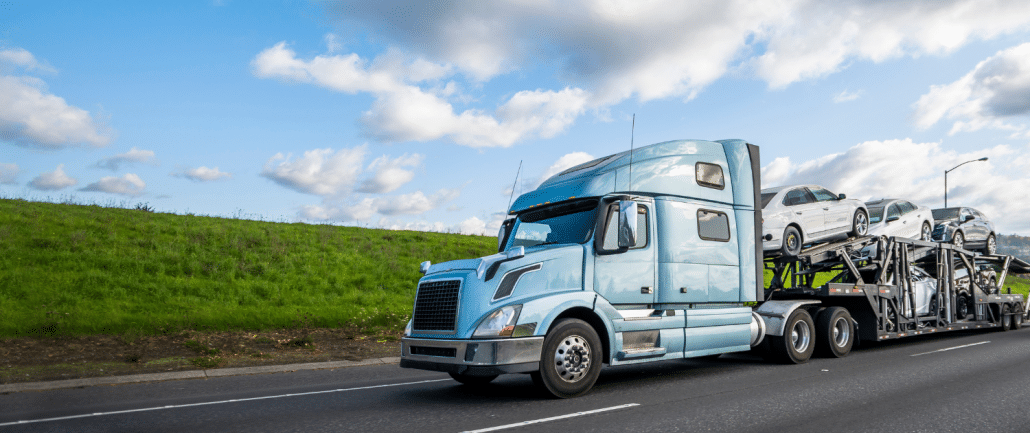
Finding qualified auto hauler drivers is one of the biggest recruiting challenges many fleets face today. Auto hauling is a specialized segment of the trucking industry that requires a unique combination of technical skill, patience, precision, and customer service. Experienced drivers know their expertise is valuable, and they often have multiple opportunities to choose from when looking for a new employer.
Because of that, recruitment strategies that work well for general freight positions do not always produce the same results in auto hauling. From generic job postings to slow hiring processes, even small missteps can cause qualified candidates to look elsewhere.
Keep reading for ten common hiring mistakes fleets make when recruiting auto hauler drivers and what employers can do instead.
Targeting the Wrong Driver Profile
One of the most common recruiting mistakes is trying to appeal to every CDL driver instead of focusing on candidates who are likely to succeed in auto hauling.
Although some drivers successfully transition from other types of trucking, auto hauling requires careful loading, securement, damage prevention, and attention to detail that not every driver enjoys or excels at. Recruiting efforts should reflect those realities.
When advertising open positions, consider targeting drivers who already have experience with specialized freight, flatbed operations, equipment securement, or transporting high-value cargo. These candidates often possess skills that transfer well into auto hauling and may be more interested in building a long-term career in the specialty.
Writing Job Descriptions That Do Not Reflect the Actual Job
A job description should prepare candidates for the work they will actually perform, not simply persuade them to apply.
Avoid spending most of the job description discussing pay and benefits while offering very little information about the day-to-day responsibilities. Drivers should have a clear understanding of what the position involves before they apply so they can determine whether the role matches their skills, expectations, and career goals.
Strong job descriptions might explain important details such as:
- Types of trailers and equipment used
- Vehicle loading and unloading responsibilities
- Physical demands of the position
- Typical routes and travel expectations
- Customer interaction requirements
- Schedule and home time
Providing this information helps drivers determine whether the position fits their experience and career goals before they ever submit an application.
Focusing Almost Exclusively on Pay
Competitive compensation will always be an important part of recruiting, but it is rarely the only factor drivers consider when comparing employers.
Experienced auto hauler drivers will likely evaluate the entire job, including schedule consistency, equipment quality, safety culture, home time, management support, and long-term stability. Two positions offering similar pay can feel very different if one company provides newer equipment, predictable dispatching, and a stronger workplace culture.
Recruiting materials that present the full picture often resonate more strongly than advertisements that rely almost entirely on compensation figures.
Underestimating the Skill Required for Auto Hauling
Auto hauling is a specialized profession, and recruiting should reflect that reality.
Loading multiple vehicles onto a trailer, properly securing each one, preventing damage during transit, and safely unloading at delivery locations requires training and experience. Drivers are also trusted with freight that can be worth hundreds of thousands of dollars on a single load.
When recruiters accurately communicate the specialized skills required for auto hauling, candidates gain a better understanding of the expertise involved and are more likely to recognize the role as a long-term career opportunity.
Creating a Slow or Complicated Hiring Process
Qualified drivers rarely stay on the market for very long. If an application takes too long to complete or recruiters wait several days before responding, candidates may accept another offer before your hiring team has an opportunity to interview them.
Reviewing the hiring process from the applicant’s perspective can help identify unnecessary obstacles.
Simple improvements could include:
- Mobile-friendly applications
- Fewer duplicate forms
- Faster interview scheduling
- Prompt follow-up after each hiring step
- Clear timelines throughout the hiring process
Reducing friction makes it easier for qualified drivers to stay engaged from application through onboarding.
Allowing Communication to Break Down During Recruiting
Consistent communication should remain a priority throughout the recruiting process. Even if a hiring decision has not yet been made, keeping candidates informed helps create a more professional and organized hiring experience.
Recruiters should acknowledge when applications have been received, clearly explain the next steps, provide realistic timelines whenever possible, and notify candidates if those timelines change. These simple touchpoints help keep applicants engaged throughout the hiring process and reduce the likelihood of losing qualified candidates because of unnecessary uncertainty.
The recruiting process is often a candidate’s first direct interaction with a company. Prompt, transparent communication demonstrates professionalism and reinforces the organization’s commitment to treating applicants with respect.
Failing to Explain What Makes Auto Hauling Different
Many job postings read almost identically regardless of whether the position involves dry van freight, flatbed hauling, or auto transport.
That approach overlooks one of auto hauling’s greatest recruiting advantages. Many drivers enjoy the challenge of transporting high-value vehicles, developing specialized skills, and becoming experts in a niche segment of the trucking industry.
Job postings should explain why the work is unique and why experienced drivers choose to stay in the industry for years. Highlighting the specialized nature of the role helps attract candidates who are looking for more than a standard over-the-road driving position.
Leaving Training and Onboarding Out of the Conversation
Even highly experienced CDL drivers may need additional instruction before moving into auto hauling.
If your company offers paid training, mentorship opportunities, ride-alongs, securement instruction, or structured onboarding, those programs deserve a prominent place in recruiting materials. Many drivers are willing to learn a new specialty when they know their employer has invested in helping them succeed.
Highlighting training opportunities also expands the pool of qualified candidates by encouraging experienced drivers from other specialized sectors to apply.
Failing to Talk About What Drivers Actually Value
Employers sometimes assume they know what drivers want, but current employees often provide the most valuable recruiting insights.
Consider asking experienced auto hauler drivers why they chose your company and why they have stayed. Their answers will likely extend well beyond compensation.
Their responses also may highlight factors such as:
- Respectful dispatchers
- Reliable equipment
- Consistent freight
- Fair treatment
- Flexible scheduling
- Strong safety culture
- Opportunities for advancement
Overlooking Employer Branding
Employer branding plays an important role in attracting qualified candidates, particularly for specialized positions like auto hauling. Every interaction a prospective employee has with your company, from the careers page to a job posting or recruiter conversation, helps shape their impression of your organization.
Take time to ensure your recruiting materials consistently communicate what sets your company apart. That might include your commitment to safety, the quality of your equipment, opportunities for career growth, driver recognition programs, training and onboarding support, or the culture your team has built.
The strongest employer brands are consistent across every recruiting channel. When your job postings, website, social media presence, and hiring process all reinforce the same message, candidates gain a clearer understanding of what they can expect by joining your organization.
For more ways to stay ahead of the curve in the transportation industry in 2026, be sure to check out the rest of our Employer Blog posts and connect with us on social media.