
 Cargo theft has become a growing concern across the trucking industry, with more organized operations targeting freight at every stage of the supply chain. For carriers, the impact goes beyond the value of the stolen load. Delays, damaged customer relationships, insurance complications, and operational disruptions all add up quickly.
While theft tactics continue to evolve, there are clear patterns in where and how incidents occur. Carriers that take a proactive approach to understanding these risks and strengthening their processes are in a much better position to protect both drivers and freight.
Understanding Theft Hotspots and High-Risk Freight
Cargo theft is not evenly distributed across the nation. Certain regions consistently report higher activity due to population density, freight volume, and access to major highways.
Areas near large metropolitan regions, ports, and distribution hubs tend to see more incidents. Locations along major freight corridors also present increased risk, particularly where trucks are more likely to stop for fuel, rest, or staging.
In addition to location, the type of cargo plays a major role. Thieves often target loads that are easy to resell and difficult to trace.
Common high-risk cargo includes:
- Electronics and consumer goods
- Food and beverages, especially alcohol
- Pharmaceuticals and medical supplies
- Apparel and footwear
- Household goods and appliances
These products move quickly through secondary markets, which makes them especially attractive targets.
Using Technology to Improve Visibility
One of the most effective ways to reduce theft risk is to improve visibility into where freight is at all times. Technology has made this more accessible than ever, but it only works if it is implemented thoughtfully and used consistently.
GPS tracking is a baseline expectation for many fleets. Beyond basic tracking, carriers can strengthen their approach by:
- Setting geofencing alerts for unauthorized route deviations
- Monitoring dwell time at stops and facilities
- Using real-time tracking dashboards for dispatch teams
- Integrating tracking with customer communication tools
Some fleets are also investing in smart trailer locks, remote immobilization systems, and cargo sensors that detect unauthorized access. While these tools require upfront investment, they can significantly reduce losses and improve response time when something goes wrong.
Training Drivers to Recognize and Respond
Drivers are often the first line of defense when it comes to preventing theft. Even the best technology cannot replace situational awareness and informed decision making on the road.
Training programs should go beyond general safety reminders and focus on specific theft prevention strategies.
Key training areas might include:
- Recognizing suspicious activity at pickup and delivery locations
- Verifying load details and avoiding fraudulent dispatch instructions
- Limiting information shared over unsecured channels
- Reporting unusual behavior or route changes immediately
- Understanding what to do if theft is suspected or confirmed
It is also important to create a culture where drivers feel supported when raising concerns. If reporting feels like a burden or leads to second-guessing, important details may go unshared.
Strengthening Parking and Load Security Practices
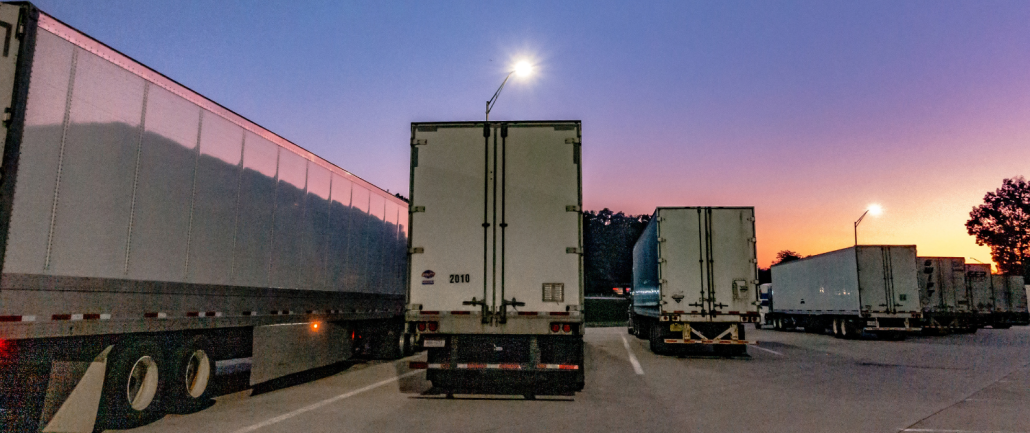
A large percentage of cargo theft occurs when trucks are parked. Unsecured or poorly lit locations increase vulnerability, especially during overnight stops or extended delays.
Carriers can reduce risk by setting clear expectations around parking and load handling procedures.
Best practices include:
- Prioritizing well-lit, high-traffic parking areas
- Using secured yards or monitored facilities when available
- Avoiding unnecessary stops within the first few hours after pickup
- Keeping trailers locked and sealed at all times
- Verifying seal integrity at every stop
Load planning also plays a role. Minimizing idle time and reducing exposure during handoffs can limit opportunities for theft. Dispatch teams should work closely with drivers to plan routes that balance efficiency with safety.
Building a Consistent, Proactive Approach
Unfortunately, there is no single solution that can eliminate cargo theft risk. The most effective strategies combine technology, training, and operational discipline into a consistent approach.
Carriers that succeed in this area tend to:
- Regularly review theft trends and adjust routes or procedures
- Invest in tools that improve visibility and communication
- Reinforce expectations through ongoing driver training
- Collaborate across teams, including dispatch, safety, and operations
Cargo theft is not a new challenge, but the scale and sophistication of incidents have increased. Taking a reactive approach is no longer enough. By understanding where risks are highest and building strong processes around prevention, carriers can better protect their freight, their drivers, and their reputation.
For more ways to stay ahead of the curve in the transportation industry in 2026, be sure to check out the rest of our Employer Blog posts and connect with us on social media.