
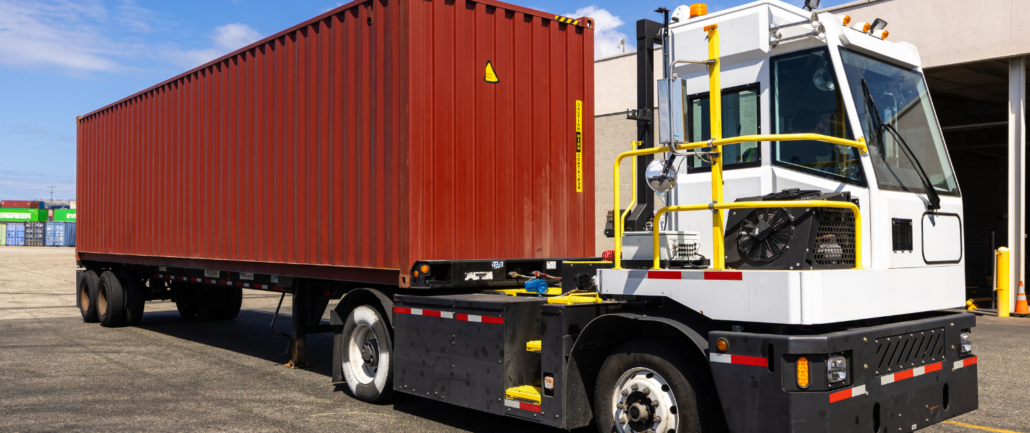
A yard jockey helps keep trailers moving between parking areas and loading docks so warehouse teams and drivers can stay on schedule. Hiring for this position requires a clear understanding of the work at your facility, from the equipment an employee will operate to the people they will communicate with throughout a shift.
For employers, a successful hire starts with identifying the skills the job requires and explaining the working conditions candidates can expect. Keep reading for practical steps to help your fleet recruit, evaluate, and retain the right yard jockey.
Define the Job Before You Advertise It
Yard jockeys, also called yard spotters or yard drivers, move trailers around a distribution center, warehouse, or terminal. Their responsibilities may also include equipment inspections, tracking trailer locations, reporting damage, and coordinating moves with shipping and receiving teams.
Start by building your job description around the actual assignment. Be sure to specify the equipment used, the layout and working conditions, and any duties outside trailer movement. If employees must get in and out of the cab repeatedly or work outdoors throughout the year, include those expectations so applicants can assess whether the position suits them.
Always confirm the licensing and qualification requirements for the specific assignment before posting. You should also state clearly whether a CDL is required and whether the job includes any travel on public roads.
Give Candidates Specific Pay and Schedule Details
Someone considering yard work may be looking for a predictable schedule, a shorter commute, or a position that lets them return home after each shift. Those priorities should be part of your recruiting conversation, with enough detail for candidates to decide whether the opening meets their needs.
Be sure to include these details in the posting and review them during the interview:
- Pay and benefits: Provide the hourly pay range, available shift differentials, and when employees become eligible for benefits.
- Shift schedule: State the start and end times, scheduled workdays, and whether employees have a fixed shift or rotate between assignments.
- Overtime and additional coverage: Explain weekend and holiday requirements, how overtime is assigned, and how much notice employees receive about schedule changes.
- Expected hours: Clarify whether weekly hours fluctuate with demand. If you advertise guaranteed hours, make sure your operations team can honor that commitment.
You should also avoid relying on “home daily” as the main selling point. A candidate who needs to handle morning school drop-off will still need to know whether the shift ends on time and how frequently extra hours are required.
Evaluate Skills for the Yard Environment
Tractor-trailer experience can provide a strong foundation for yard work, though the daily responsibilities differ from driving on the road. Yard jockeys make repeated trailer moves in confined spaces, often around loading dock activity, parked equipment, and people working nearby. Familiarity with these conditions is useful when evaluating a candidate’s experience.
Interview questions about specific situations can help employers understand how a candidate makes decisions under pressure. Some examples include:
- How would you respond if you were asked to move a trailer and believed the move was unsafe?
- What would you do if you discovered trailer damage during an inspection?
- How do you confirm that you are moving the correct trailer to the assigned door?
Detailed answers can reveal whether a candidate follows established procedures, communicates problems, and checks information before making a move. Candidates with relevant experience should be able to describe situations they have handled and explain the reasoning behind their decisions.
A supervised skills assessment can also help employers evaluate equipment checks, backing ability, and awareness of surrounding activity. Providing the same instructions and evaluation criteria for each applicant makes it easier to compare their abilities and identify areas where additional training may be needed.
Discuss Work History and Career Goals
A candidate’s reasons for leaving a previous position can help you understand what they need from their next job. Inconsistent shifts, limited hours, or a difficult commute may have prompted the search, even when the candidate enjoyed the work itself. These conversations give both sides a chance to determine whether the opening offers a better fit.
Career goals also vary among yard jockey candidates. Some want a long-term position in yard operations, while others are interested in earning a CDL or eventually moving into a driving role. Clear information about available training, advancement requirements, and internal openings helps candidates understand the opportunities your company offers.
Prepare New Hires for Your Facility
Even an experienced yard jockey needs time to learn a new facility’s layout and procedures. Training should cover yard traffic patterns, dock assignments, equipment operation, and communication with warehouse staff and dispatch. New hires also need to understand who assigns trailer moves, how changes in priority are communicated, and where to report equipment problems or unsafe conditions.
Conversations with a supervisor during the first few shifts give employees an opportunity to ask questions and discuss anything that differs from what they expected. These early check-ins can reveal gaps in training or misunderstandings about the schedule and responsibilities, giving employers a chance to address concerns before they affect retention.
Hiring the right yard jockey starts with a clear picture of the work and an honest conversation about what both sides need. When the schedule, responsibilities, and working conditions match what was discussed during hiring, employees are better prepared to succeed and have stronger reasons to stay with your fleet.
Need help finding the right drivers for your team? Learn more about how Drive My Way helps transportation employers recruit qualified candidates, or explore more insights on our Employer Blog.