
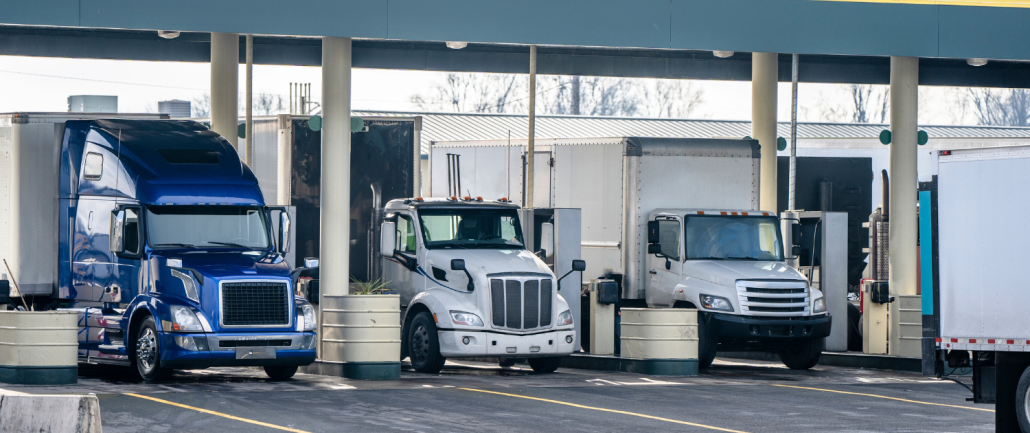
Fuel costs have always been a defining factor in trucking, but recent price swings have brought them back to the center of operational decision making. Diesel prices have risen quickly, and that shift is already showing up in day-to-day decisions across the industry.
For fleets and owner-operators alike, higher fuel costs are shaping how routes are planned, how equipment is used, and how companies approach hiring and growth. The impact is immediate and hard to ignore.
For employers, the focus now is on adjusting operations to protect margins while keeping drivers supported and service levels consistent. Keep reading for practical ways to respond and stay competitive as fuel costs continue to shift in 2026.
Tightening Margins and Smarter Cost Control
When fuel prices climb, profit margins shrink quickly. Even well-established fleets feel the pressure, especially when contract rates lag behind real-time expenses. As a result, many companies are taking a closer look at cost control across the board.
This often starts with more precise fuel tracking and budgeting. Fleets are investing in systems that provide real-time visibility into fuel usage, allowing them to identify inefficiencies sooner. Small adjustments, such as reducing idle time or optimizing fueling locations, can add up over time.
Some carriers are also revisiting fuel surcharge structures. Clear and transparent surcharge programs can help offset rising costs, but they require strong communication with both drivers and customers to be effective.
Route Optimization Becomes Essential
With higher fuel costs, inefficient routing becomes more expensive than ever. Companies that once relied on familiar lanes or manual planning are now turning to more advanced routing tools.
Modern route optimization software can factor in traffic patterns, terrain, and fuel stops to reduce unnecessary miles. It also helps dispatchers make faster decisions when conditions change on the road.
For drivers, this can lead to more predictable schedules and fewer wasted hours. For employers, it means better fuel efficiency and improved delivery timelines.
Equipment and Maintenance Decisions Matter More
Fuel prices are also influencing how fleets think about equipment. Trucks that were once considered acceptable from a fuel efficiency standpoint may no longer meet current needs.
Some companies might consider accelerating plans to upgrade to newer, more fuel-efficient vehicles. Others might double down on maintenance practices that improve performance, such as regular tire checks, engine tuning, and aerodynamic improvements.
Even small upgrades can have a measurable impact. When fuel is expensive, every mile per gallon gained becomes more valuable.
Driver Behavior and Training Take on New Importance
Drivers play a direct role in fuel efficiency, and rising fuel costs make that impact more important. Investing in training and support helps drivers build habits that reduce unnecessary fuel use without adding complexity to their day.
Training that emphasizes smooth acceleration, steady speeds, and limited idling can meaningfully lower fuel consumption. Telematics tools can reinforce these habits by giving drivers clear, real-time feedback and, when appropriate, tying performance to incentives.
This needs to be handled carefully, though. Drivers already manage a demanding workload, and added pressure can backfire if it feels purely cost-driven. Positioning these efforts as a way to improve operations and make time on the road more predictable can lead to better results.
Shifts in Freight Strategy
Rising fuel costs are also shaping how freight is planned and distributed. Shorter hauls, regional routes, and more strategic load matching will likely become more common as companies look to reduce empty miles.
Shippers are feeling the impact as well, which can lead to changes in demand patterns. Some industries may slow down, while others adjust their logistics strategies to account for higher transportation costs.
For trucking companies, staying flexible is key. The ability to adapt quickly to shifting demand can help offset some of the uncertainty that comes with volatile fuel prices.
Communication Is More Important Than Ever
One of the most overlooked aspects of rising fuel costs is how they affect communication within a company. Drivers, dispatchers, and leadership all feel the impact in different ways.
Being transparent about challenges and changes helps build trust. Whether it is explaining adjustments to routes, schedules, or compensation structures, clear communication can prevent frustration and keep teams aligned.
This is especially important in a market where driver retention remains a priority. Drivers want to understand how decisions are being made and how those decisions affect their work.
Looking Ahead
Fuel prices will always fluctuate, influenced by a mix of global events, market dynamics, and policy decisions. While the exact causes may shift over time, the need for adaptability in trucking operations remains constant.
Companies that focus on efficiency, communication, and smart planning are better positioned to navigate these changes. Rather than reacting to every price increase, they build systems and strategies that can withstand ongoing volatility.
For more ways to stay ahead of the curve in the transportation industry in 2026, be sure to check out the rest of our Employer Blog posts and connect with us on social media.